
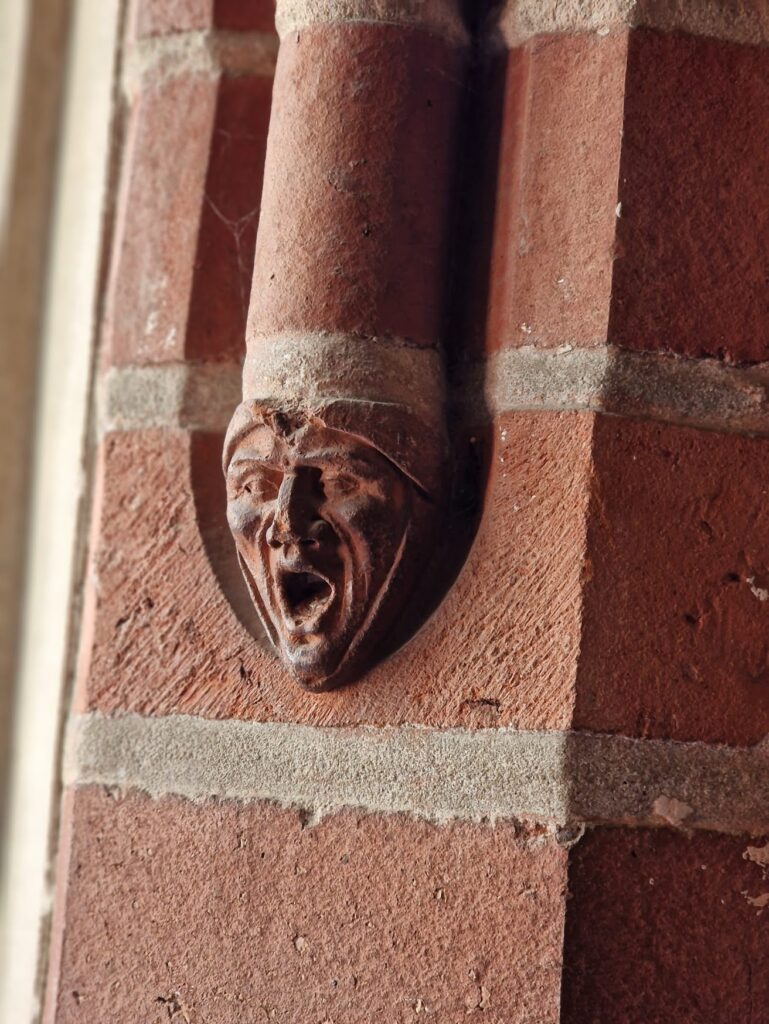
Travelling to Poland with Iwona Slojka and her company Cross Baltica became a journey through Poland’s Historical Memory. We visited, among other places, Gdańsk and the historic town of Gniew and its surrounding countryside. It turned out to be much more than a trip.
It became an encounter with how a country takes its past seriously, even when that past is painful, contradictory, and difficult to carry.
I came to understand that the work of remembering wars, hussars, historic battles and the Holocaust. The locals keep alive the memory of Poland’s many periods of turbulence . This is done by institutions, but by private individuals: guides, tourism professionals, cultural associations, and local initiatives. People who choose to tell, to show, to recreate, and to invite others in.
In June 2024, I had the opportunity to travel with Iwona to Poland and meet European history through place-based learning. It meant seeing, walking, and listening to history in the very locations where it actually unfolded.
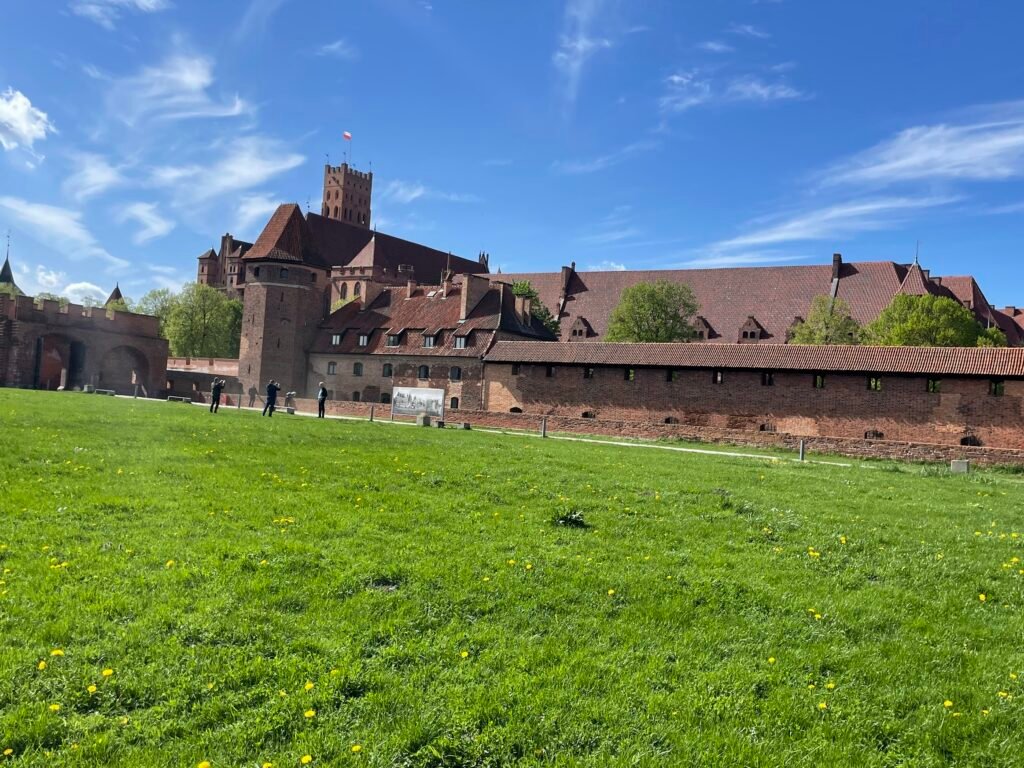
Gdańsk -A City of Many Layers and Poland’s Historical Memory
Gdańsk is a city where European history lies dense, layered one upon another:
- a medieval trading city
- war and occupation
- post-war reconstruction, communism, and resistance
- rebuilding and democratization
Here, beautiful architecture, everyday life, good food, and hospitality coexist with stories of oppression, trauma, and resistance.
I was deeply moved walking through the Old Town, which was completely destroyed during the Second World War. Today it has been rebuilt stone by stone, based on memories, photographs, and archival material. Gdańsk is both a historical and a modern city.
What struck me most is that despite being just across the sea from Sweden’s southern coast, I had never been there before. After my days in Poland, I realized that it is precisely these contrasts—between proximity and distance, beauty and trauma—that make travelling through northern Poland and its history so powerful.
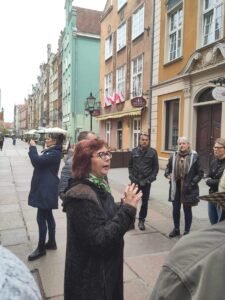
For my next journey, I have asked Iwona to take me even deeper—into the history of the Holocaust and the concentration camp system connected to Gdańsk. Through my involvement in educational work, I know now more about how they forcibly moved prisoners across Europe. In Pol and, history is never simple, but it is always present.
Gniew and the Battle of Mewe – A Journey Further Back in Time
This summer Iwona and Cross Baltica has again invited me to Gniew. Now, the journey takes us even further back in history. Thhrough historical reenactment, we will learn about the Battle of Mewe (1626). Four hundred years ago, Sweden and Poland stood on opposite sides of a war—conflicts that shaped power balances, borders, and relationships across the Baltic Sea.
By exploring this period, I hope to gain a deeper understanding of:
- why wars arise in different eras
- how power, resources, and fear repeatedly drive conflict
- how wars shape relationships between countries across generations
- whether traditions and shared memory can create space for healing
For expats living in Sweden, this history can feel surprisingly close. The Baltic Sea has never been a border but rather it has always been a connection, for better or worse .
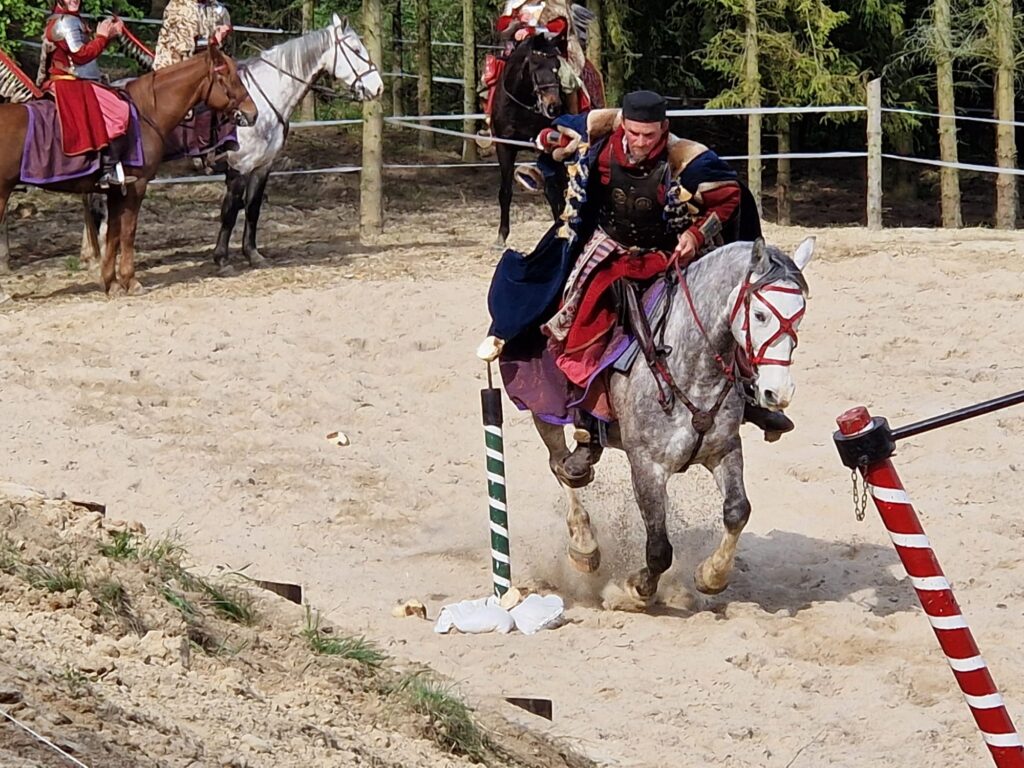
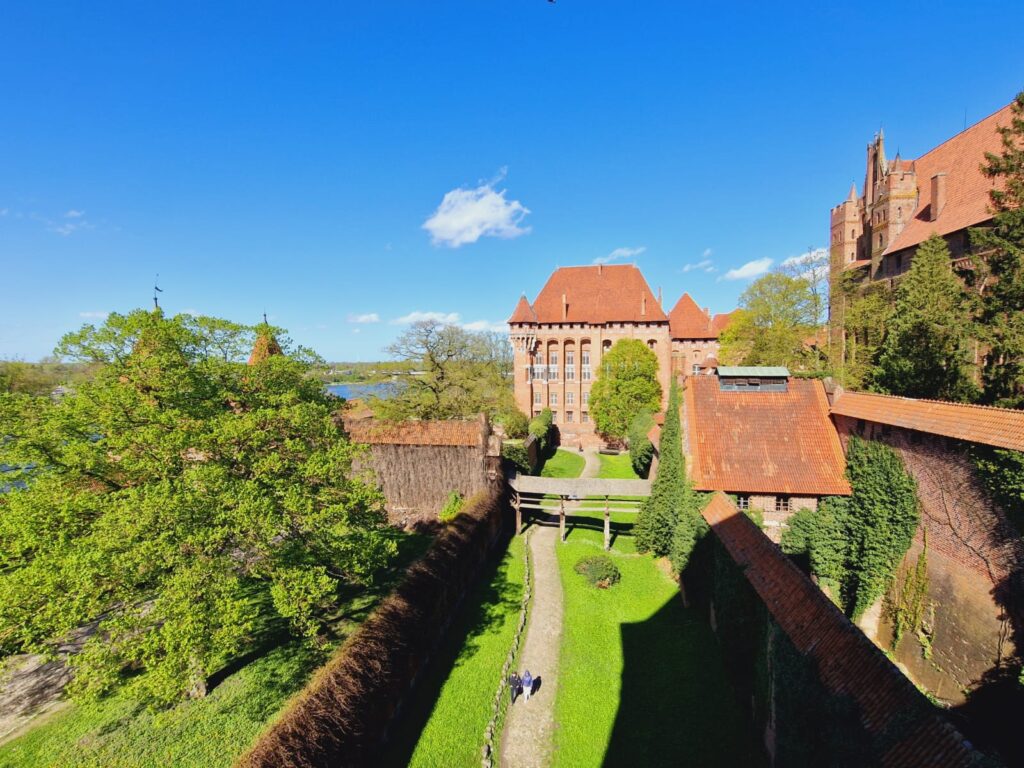
Tradition, Memory, and Healing
What moves me most in Poland is how the locals use memory work and tradition as ways of moving toward the future. Traditions that invite celebration, but also learning, responsibility, and community.
For me, this kind of travel is about stepping outside my own bubble, not through quick answers, but through encounters, places, and both personal and collective reflection.
In that sense, Fira klokt (“Celebrate wisely”) has become my way of learning how to remember wisely—while still allowing room for joy.
.